Planning a weekend open house in Concord? The fastest way to boost turnout is smart signage, yet one misplaced yard or directional sign can be pulled without warning. If you want more visitors and fewer headaches, it pays to know the local rules before you print or plant a single stake. In this quick guide, you’ll learn who sets the rules, what to verify for your property, and simple steps to place, monitor, and remove signs the right way. Let’s dive in.
What counts as a temporary real estate sign
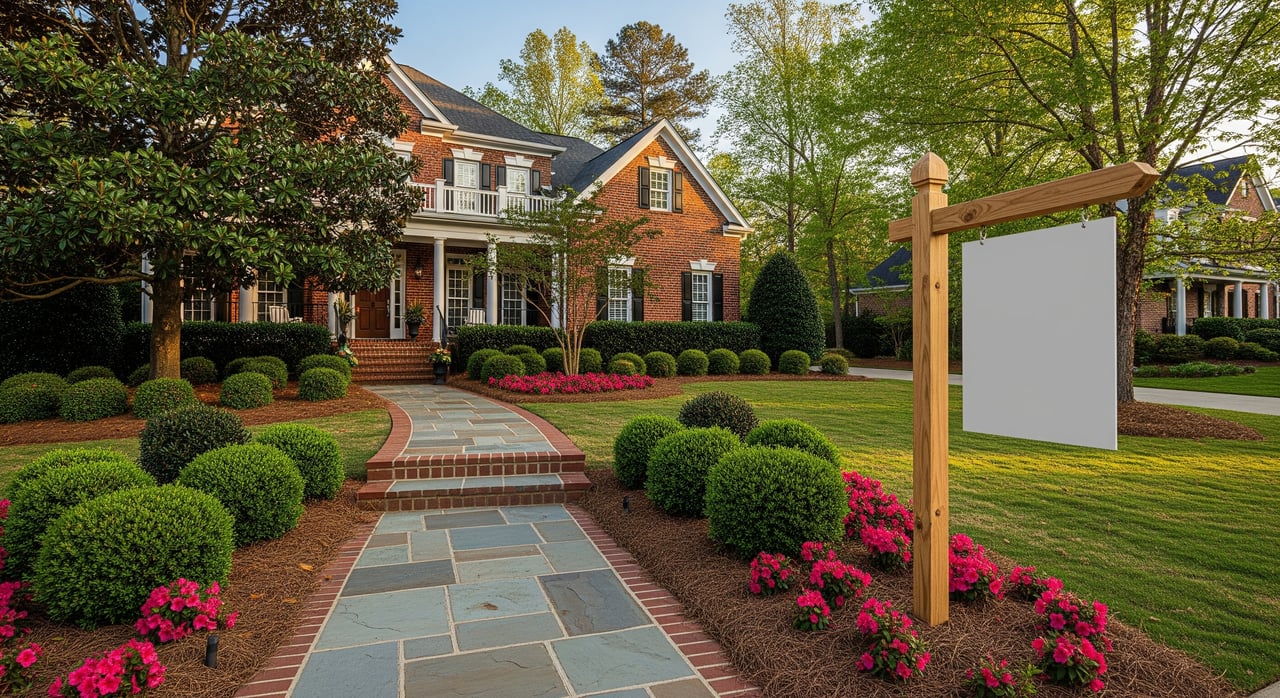
Temporary real estate signs include the classic yard sign at the listed property as well as “Open House” and directional signs that point visitors toward your event. Each type can be regulated differently. You will likely see distinct rules for on-premise yard signs versus off-premise directional signs placed away from the listing.
In many North Carolina cities, small temporary signs are either exempt from permits or allowed with simple limits on size, height, duration, and placement. Concord may follow a similar pattern, but you should confirm the exact rules that apply to your address before you advertise.
Where Concord’s rules come from
Several agencies influence what you can place, where you can place it, and for how long. Start with these sources and confirm which one has authority for your property and any nearby roadways.
City of Concord UDO
The City of Concord’s Unified Development Ordinance sets the city’s sign rules. You will want to check definitions, whether permits or registrations are required for temporary or directional signs, and any limits on size, height, quantity, placement, and timing. The UDO will also outline prohibited locations and enforcement.
Tip: Ask the Development Services or Planning staff to point you to the current UDO chapter on signs and any administrative sign policies for temporary real estate or open house signage.
Cabarrus County for areas outside city limits
If the property sits in unincorporated Cabarrus County, the county sign ordinance applies instead of the city’s. These rules can differ. Confirm the county’s definitions, size and height limits, number of signs allowed, off-premise allowances, and removal timelines.
NCDOT rights-of-way
State-controlled roads add another layer. Signs placed in the state right of way are commonly unlawful and may be removed immediately, with potential fines. If your route uses state roads or highways, contact the local NCDOT office to identify right-of-way boundaries and avoid restricted areas.
HOAs and private covenants
Homeowners associations often have stricter standards than the city or county. Some communities restrict or fully prohibit open house and off-site directional signs. Always review the covenants and obtain written approval if required. HOA rules typically control private property within the subdivision.
Utilities and public works
Never attach signs to utility poles, street light poles, traffic signals, fences, or trees. These are routinely prohibited for safety and maintenance reasons and can trigger removal or fines.
Key limits to confirm in Concord
Before you design or place your signs, verify the following details for the address and any off-site locations you plan to use. You can confirm through Concord Development Services or Planning, Cabarrus County Planning for unincorporated areas, and the local NCDOT district for state roads.
- Permit or registration: Ask if a permit, registration, or fee is required for temporary real estate signs or off-premise directional signs. Some places exempt small on-premise signs but regulate directional signs separately.
- Size and height: Confirm maximum square footage and height above grade for yard and directional signs. Yard signs often have one set of limits, while A-frame or directional signs may have another.
- Number of signs: Check how many signs are allowed on the listing property and whether there is a cap on off-premise directional signs per event or per agent.
- Placement rules: Verify setbacks from sidewalks or curbs, rules for private versus public property, and whether off-premise signs must be placed only on private property with owner permission.
- Timing and removal: Ask when you can place open house signs before the event and how soon you must remove them afterward. Many places require removal within a short window.
- Prohibited areas: Confirm restrictions for public and state rights-of-way, medians, intersections, vision triangles, parks, historic districts, and any sensitive zones where signs are not allowed.
- Materials and mounting: Clarify allowed materials, whether wire stakes are acceptable, and stability requirements for wind or pedestrian areas.
- Enforcement and penalties: Ask how violations are addressed, whether signs can be removed without notice, and how to retrieve them if they are collected by the city or NCDOT.
Step-by-step: your compliance plan
Use this simple process to prepare, place, and pick up signs with confidence.
1) Confirm jurisdiction and the rules
- Look up whether the property is inside City of Concord limits. If yes, the City of Concord UDO applies. If not, check the Cabarrus County ordinance.
- If nearby roads are state routes, contact the local NCDOT office to confirm right-of-way boundaries and restrictions.
2) Check permits and limits
- Ask the city or county if temporary or directional signs need a permit or registration, and whether any fees apply.
- Note size, height, and number limits, plus when you can place signs and when you must remove them.
3) Get written permissions
- If you plan off-premise directional signs on private property, secure written permission from the owner. Keep this on file.
- If there is an HOA, review the covenants, request any needed approvals, and keep a copy of the HOA’s decision.
4) Prepare compliant sign materials
- Use materials that meet the local definition of temporary signage, such as corrugated plastic panels with H-frames, or permitted A-frames.
- Add the property address and your contact information so officials can reach you if needed.
5) Map locations and set a schedule
- Plan your sign route in advance. Avoid state or city rights-of-way, medians, intersections, and anywhere that could block sightlines or pedestrians.
- Build in time to remove all signs immediately after the event, within any required window.
6) Place signs safely and legally
- Keep signs fully on private property with the owner’s permission. Respect setbacks from sidewalks and curbs.
- Avoid all poles, fences, and trees. Keep signs stable so they do not tip or blow into the right-of-way.
7) Monitor and remove promptly
- Do a quick drive-by during the event to confirm signs are upright and compliant.
- Remove every sign as soon as the open house ends and within any required timeframe.
Placement do’s and don’ts
- Do place yard and open house signs entirely on private property where allowed.
- Do maintain clear pedestrian paths and driver sightlines near intersections and driveways.
- Do keep directional signs small, legible, and focused on arrows and the address.
- Do document permission for each off-site location.
- Do keep a log of where and when each sign is placed and removed.
- Do not place signs in medians, on sidewalks, or inside public or state rights-of-way.
- Do not attach signs to utility poles, traffic devices, fences, or trees.
- Do not place signs that could create trip hazards or block visibility.
- Do not exceed quantity, size, or height limits.
After the event: removal and records
Prompt removal is one of the most important parts of compliance. Build removal into your open house checklist and calendar reminders.
- Remove all off-premise and on-premise open house signs as soon as the event ends, and within any required time window.
- If severe weather delays removal, note the circumstances and remove them as soon as possible.
- Keep a sign log with dates, times, locations, property-owner permissions, and photos. This helps resolve complaints quickly and shows good-faith compliance if questioned.
Common mistakes to avoid in Concord
- Placing signs in the state right-of-way near highways or major routes without realizing it. Always confirm right-of-way boundaries with NCDOT if in doubt.
- Assuming HOA approval is automatic. Many associations restrict or prohibit off-site directional signs.
- Using directional signs without written permission from the private property owner.
- Leaving open house signs out beyond the event window. Removal deadlines are enforced.
- Overloading corners with multiple signs that block sightlines or pedestrian movement.
Quick reference checklist
Use this simple list before your next open house in Concord or Cabarrus County.
- Verify: City of Concord or unincorporated Cabarrus County jurisdiction.
- Confirm: UDO or county code rules, permits or registrations, and limits for size, height, number, placement, and timing.
- Check: NCDOT rules for any state roads near your route. Avoid rights-of-way.
- Review: HOA covenants and get written approval if required.
- Obtain: Written permission for any off-site directional signs on private property.
- Prepare: Compliant sign materials with address and contact info.
- Map: Legal locations and a pickup route. Avoid medians, intersections, and sidewalks.
- Log: Placement and removal details with photos.
- Remove: All signs immediately after the event and within the required window.
When to call the city or county
You should call the City of Concord Development Services or Planning staff when you need help locating the current sign chapter, understanding definitions, or confirming permits, size and height limits, and removal timelines. If the property is outside the city limits, contact Cabarrus County Planning for the county ordinance. For questions about signs near state highways or where the right-of-way begins, reach out to the local NCDOT district office.
If a sign goes missing, it may have been removed by the city, county, or NCDOT. Call the relevant agency quickly to ask about retrieval procedures and any fees.
A careful approach keeps your marketing working for you without surprise removals or fines. When you plan ahead, document permissions, and follow placement best practices, you can attract the right buyers and protect your time and budget.
Ready to plan a compliant, high-traffic open house in Concord or the Greater Charlotte area? Reach out to Unknown Company to align your sign strategy with your broader marketing and timing goals.
FAQs
Do I need a permit for open house signs in Concord?
- Check the City of Concord UDO or call Development Services to see if temporary real estate or directional signs require a permit or registration, since rules can vary by sign type.
How many directional signs can I place for one event?
- The allowed number depends on local limits and whether signs are on-premise or off-premise, so confirm quantity rules with the city or county before your event.
Can I put signs on sidewalks, medians, or near traffic signals?
- No, signs are commonly prohibited in public or state rights-of-way, on medians, and on or near traffic control devices, and may be removed immediately.
How soon do I need to remove open house signs after the event?
- Many jurisdictions require quick removal, often within a short window, so verify the exact timing in the city or county code and plan your pickup route.
What happens if I place a sign in the wrong spot?
- Officials may remove the sign and issue a citation or fine, so call the relevant agency to ask about retrieval procedures and next steps.
Do HOA rules override city sign allowances?
- HOA covenants can be stricter than city or county rules on private property, so always follow the most restrictive rule and secure written HOA approval if needed.
Who should I contact if my sign is removed in Concord?
- Call City of Concord Development Services for signs removed inside city limits, Cabarrus County Planning for unincorporated areas, or the local NCDOT office for state road locations.