Wondering whether a brand-new home or an established neighborhood makes more sense in Concord? You are not alone. Many buyers find themselves choosing between turnkey finishes and community amenities on one side, or bigger lots and more flexibility on the other. If you are weighing both options, this guide will help you compare the real tradeoffs in Concord so you can make a smarter move with more confidence. Let’s dive in.
Concord offers both paths
Concord is the largest city in Cabarrus County and sits just minutes from Charlotte. The city’s planning framework addresses land use, transportation, open space, and redevelopment in existing areas around downtown, which helps explain why Concord offers a mix of newer subdivisions and longer-established neighborhoods.
That variety matters because Concord is not a one-price or one-style market. Zillow reports an average Concord home value of $384,688, while Redfin reported a median sale price of $375,000 in March 2026. Zillow also says homes go pending in about 24 days, which suggests buyers often need to make clear, well-informed decisions quickly.
New construction in Concord
New construction in Concord spans more price points than many buyers expect. Realtor.com currently shows seven new-home communities in Concord, with visible starting points ranging from about $245,000 for townhomes to roughly $601,000 for single-family homes, plus some higher-end new construction reaching about $862,000 to $1 million.
That broad spread gives you options. If you want low-maintenance living, a move-up single-family layout, or a more estate-style new build, Concord has examples in each category. Still, the right fit depends less on the word new and more on your budget, lifestyle, and priorities.
Why buyers choose new homes
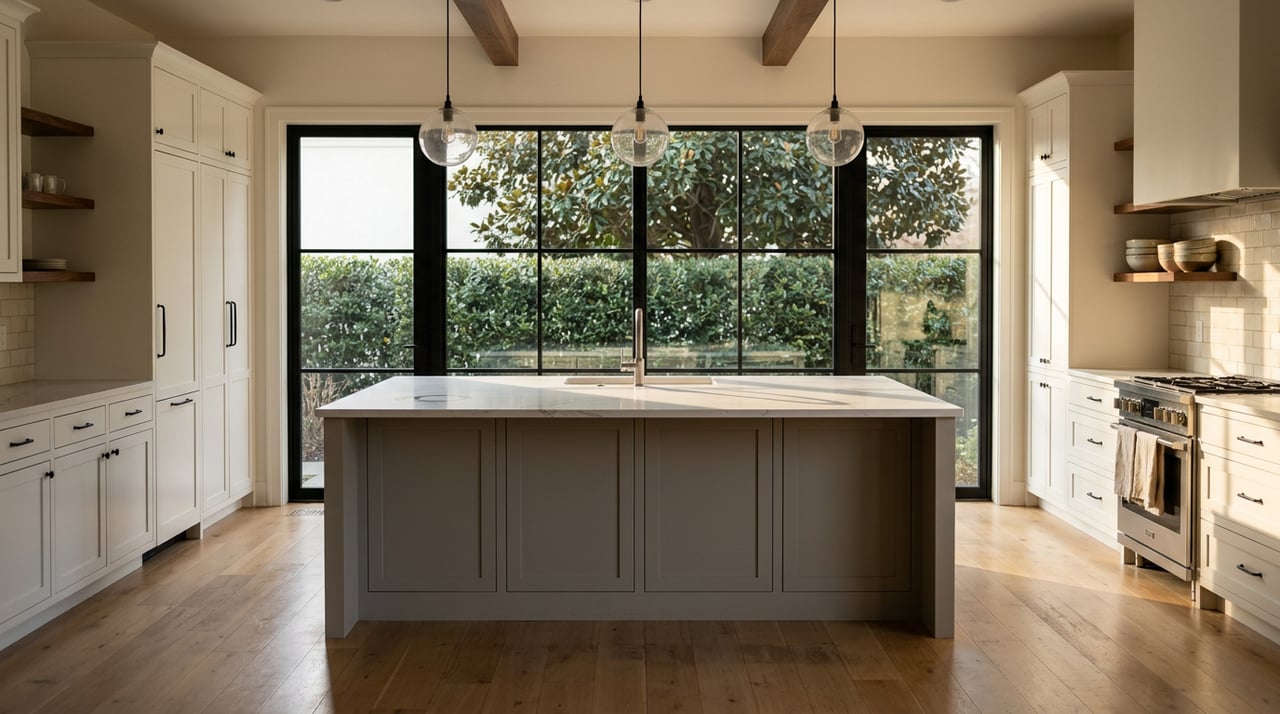
Many buyers are drawn to new construction because it can feel simpler on day one. You may get modern layouts, current finishes, and fewer immediate repair concerns than you might expect with an older property.
Some newer Concord listings also advertise builder protections such as a 6-year structural warranty, a 1-year builder warranty, and a 1-year mechanical warranty. That can reduce near-term uncertainty, especially if you want a home that feels move-in ready from the start.
What newer communities often include
New construction in Concord often comes with a community package. Local examples include amenities such as pools, clubhouses, pickleball courts, dog parks, and walking trails.
Some communities are designed around a certain lifestyle or scale. Cordera, for example, is positioned as a 25-homesite enclave with estate-style lots, while other communities focus on townhomes or more compact single-family living. In practical terms, newer neighborhoods often deliver a more planned, uniform feel.
Established neighborhoods in Concord
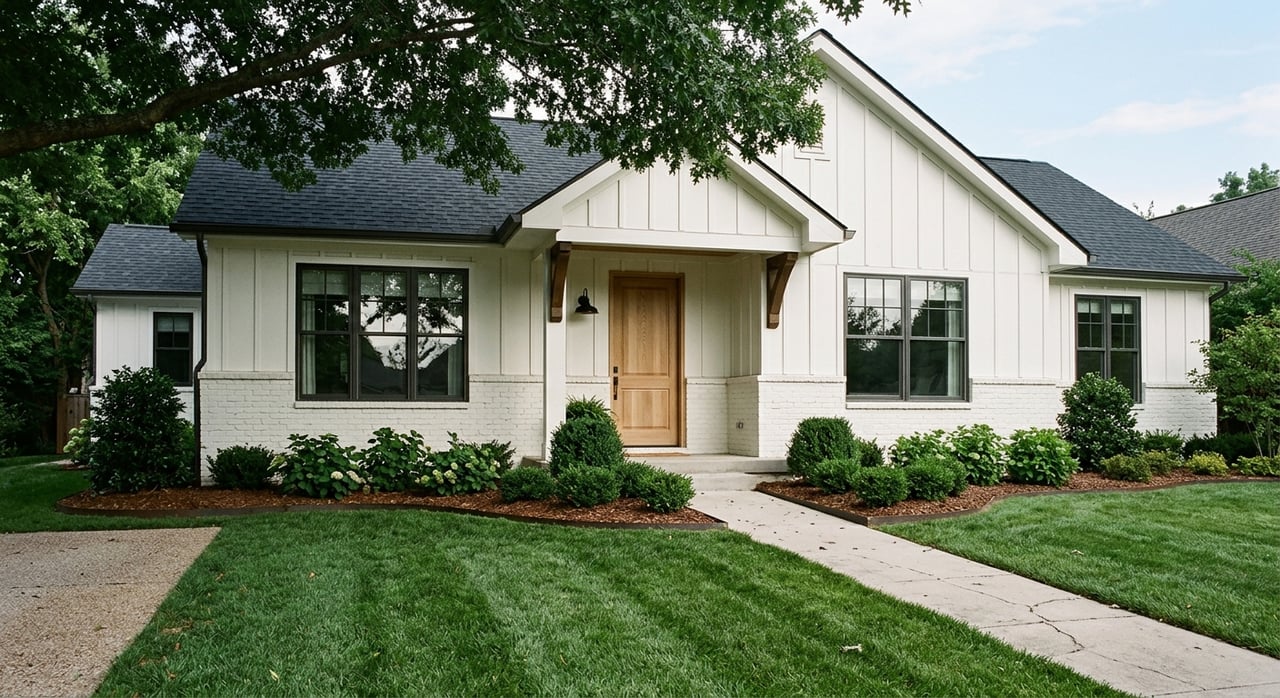
Established neighborhoods appeal to buyers for different reasons. In many cases, they offer larger lots, mature landscaping, and a less uniform streetscape than newer subdivisions.
Current Concord examples show a wide range of homesites, including properties around 1.21 acres and 1.9 acres. These homes are often described with features like wooded settings, fencing, privacy, decks, or outdoor living potential, which can be a major advantage if yard space matters to you.
Why buyers choose established areas
If you want room to spread out, established neighborhoods may deserve a close look. Older areas in Concord often provide more outdoor flexibility and may come with fewer community-wide design rules than many planned developments.
Established listings also vary widely in age and updates. Some homes date to the 1980s, and sellers often highlight improvements such as newer roofs, siding, HVAC systems, or renovated kitchens. That means you may find a home with character and usable outdoor space, but you will want to look carefully at condition and future maintenance needs.
The feel is often less uniform
Concord’s Development Ordinance regulates density, setbacks, landscaping, street layout, stormwater, stream buffers, and floodplain development. That structure helps explain why newer subdivisions often look more consistent, while older neighborhoods may show more variation in lot shape, home style, and exterior use.
For some buyers, that variation is a benefit. You may prefer a neighborhood where homes feel less cookie-cutter and where outdoor spaces have had decades to mature.
Costs to compare beyond price
Purchase price is only part of the equation. In Concord, your long-term monthly and annual costs can look very different depending on the property and community.
Cabarrus County’s FY26 tax rates list 0.42 for Concord city and 0.576 for Cabarrus County. At those core rates, a $375,000 home inside the city works out to roughly $3,735 per year in combined city and county property tax before HOA dues, though the exact amount depends on the parcel’s jurisdiction and any additional district rates.
Concord also funds stormwater through utility billing rather than property taxes. Most single-family homes pay $6.19 per month, with the amount tied to impervious surface.
HOA dues can change the math
HOA costs are one of the biggest differences between new construction and established neighborhoods. Current new-build examples in Concord range from no HOA fees at Annsborough Park - Premier Series to $225 per month at Cumberland and $435 quarterly at Spring Meadow.
Established-home listings show a different pattern. Some have no HOA at all, while others have very low or voluntary dues, including examples around $25 per year. If you are comparing homes with similar prices, this line item can significantly affect your monthly budget.
HOA rules and lifestyle fit
In North Carolina, planned communities created after January 1, 1999 are generally governed by the Planned Community Act. The North Carolina Department of Justice advises buyers to obtain the bylaws and covenants and understand how fees, exterior-review rules, and association powers work before buying.
That matters because HOA living is not just about dues. Associations may collect assessments, charge late fees, levy fines in some cases, and regulate common elements. If you are considering new construction, make time to read the documents and ask specific questions about parking, exterior changes, yard use, and amenity access.
More amenities often means more structure
Many buyers are happy to pay HOA dues if they value shared amenities and a more managed neighborhood environment. A pool, clubhouse, trails, or pickleball courts can improve everyday convenience and reduce the need to maintain those features yourself.
On the other hand, established neighborhoods often appeal to buyers who want fewer rules and more autonomy. If your priority is flexibility on exterior use or lower recurring fees, older neighborhoods may offer a better match.
Lot size and maintenance tradeoffs
One of the clearest local differences is lot size. Current newer-home examples in Concord range from about 0.04 acres for a townhome to about 0.14 acres for a newer single-family home, though some luxury new construction offers more expansive homesites.
Established homes more often offer larger yards. If outdoor living, gardening, privacy, or extra room between homes matters to you, that can tilt the decision toward an older neighborhood.
Newer homes may lower near-term upkeep
New construction often attracts buyers who want a more predictable maintenance picture in the first few years. New systems, materials, and warranties can reduce the chance of a surprise repair right after move-in.
That does not mean established homes are the wrong choice. It simply means you should evaluate upgrades carefully. An older home with a recently updated roof, HVAC, or siding may still offer a very workable maintenance profile, especially if the lot and location are a better fit for your needs.
Commute and location matter in Concord
Your daily routine should be part of the decision. Concord’s mean travel time to work is 27.8 minutes, and the city says Rider Transit operates 11 buses and 8 routes that connect places such as Rowan-Cabarrus Community College, Afton Village, Concord Mills, the LYNX light rail system, and downtown Concord and Kannapolis.
Traffic conditions are highly location-sensitive. Concord’s corridor studies note heavy congestion in the Concord Mills and Bruton Smith area during rush hour, events, and holidays, while major connectivity corridors include I-85, Concord Parkway, NC 73, and Weddington Road.
Compare house choice to your route
This is where a home that looks perfect online may feel less perfect in daily life. A newer community with strong amenities may still be the wrong fit if the route to work, shopping, or regular appointments creates more friction than you want.
Likewise, an established neighborhood with a larger lot may deliver better day-to-day convenience based on where you need to go most often. In Concord, location decisions are often as important as home-style decisions.
Which option fits your goals?
If you want turnkey condition, newer finishes, neighborhood amenities, and lower near-term repair exposure, new construction may be the stronger fit. This path often works well for buyers who value convenience, structure, and a more predictable move-in experience.
If you want larger yards, mature landscaping, more exterior flexibility, and potentially lower HOA exposure, established neighborhoods may be more appealing. This option often suits buyers who prioritize space, character, and room to personalize over time.
Neither choice is automatically better. The smartest move is the one that matches how you actually live, what you want to spend each month, and how long you plan to stay.
If you are comparing new construction and established neighborhoods in Concord, a local strategy can save you time and help you focus on the right tradeoffs from the start. For tailored guidance on Concord and the Greater Charlotte market, connect with Kris Kjeldsen for a thoughtful, data-informed conversation about your next move.
FAQs
What is the price range for new construction in Concord?
- Current Concord new-home communities show visible entry points from about $245,000 for townhomes to about $601,000 for single-family homes, with some higher-end new construction around $862,000 to $1 million.
How do HOA fees compare in Concord neighborhoods?
- Current Concord examples range from no HOA fees in some new communities to $225 per month or $435 quarterly in others, while established-home listings may have no HOA, low dues, or voluntary fees.
Are established neighborhoods in Concord more likely to have larger lots?
- Yes. Current established-home examples in Concord include homesites around 1.21 acres and 1.9 acres, while newer examples commonly range from about 0.04 acres for townhomes to about 0.14 acres for newer single-family homes.
What should buyers know about HOA rules in North Carolina planned communities?
- The North Carolina Department of Justice advises buyers to review bylaws and covenants closely so you understand assessments, fees, exterior-review rules, and other association powers before you buy.
How much are property taxes for a home in Concord?
- Using Cabarrus County’s FY26 core rates for Concord city and Cabarrus County, a $375,000 home inside the city works out to roughly $3,735 per year in combined city and county property tax before HOA dues, though exact bills vary by parcel and district.
Does commute time vary by location within Concord?
- Yes. Concord’s mean travel time to work is 27.8 minutes, and city corridor studies show congestion can be especially heavy in the Concord Mills and Bruton Smith area during rush hour, events, and holidays.