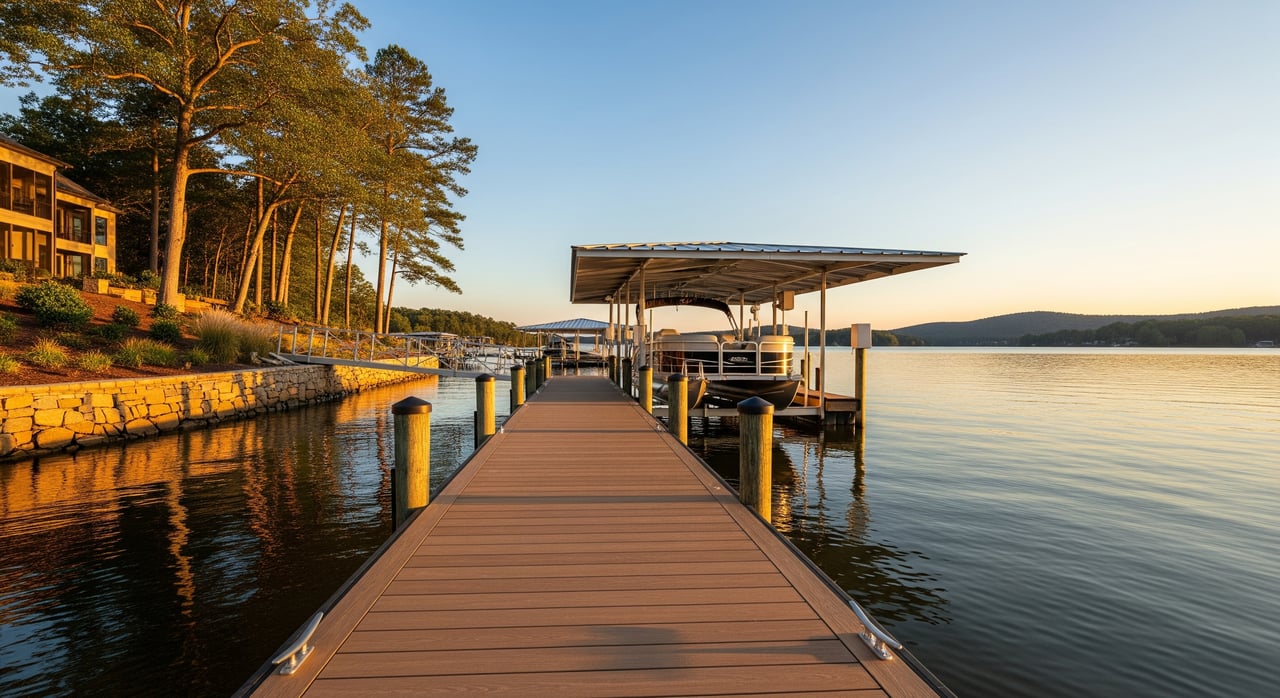
Thinking about adding a dock on Lake Norman or buying a Cornelius waterfront home with one already in place? Shoreline rules here are unique, and missing a permit can create costly surprises. You want smooth weekends on the water, not red tape. In this guide, you’ll learn who regulates docks, which permits you may need, how long approvals can take, and how to avoid the most common delays. Let’s dive in.
Who regulates Lake Norman docks
Duke Energy Lake Services manages the lakebed and most shoreline areas below the normal pool. That means structures like docks, piers, and boat lifts typically require permission from Duke Energy Lake Services.
Within Cornelius town limits, the Town of Cornelius planning and inspections team may require building, zoning, or buffer approvals for work near the shoreline. Mecklenburg County also oversees land-disturbance, erosion control, and some grading approvals through Mecklenburg County LUESA.
Some projects that impact wetlands or navigable waters can trigger state and federal review. The North Carolina Department of Environmental Quality provides water resources guidance at NCDEQ. In certain cases, the U.S. Army Corps of Engineers regulates work below the water line. See the regulatory program overview at the U.S. Army Corps of Engineers.
Neighbors and riparian rights matter too. Property lines and access corridors influence how far a dock can extend and where it can sit. When in doubt, confirm boundaries with a current survey.
Which permits you need
Duke Energy shoreline permit
Duke Energy’s permission is the foundation for most Lake Norman docks. You usually submit a site plan or survey that shows property lines, the proposed footprint, construction drawings, contractor details, and proof of ownership. If approved, Duke issues a permit or revocable license with conditions such as maintenance, safety, and insurance responsibilities.
Why this matters: an existing dock without Duke approval can be a serious issue. It can lead to removal orders, delays in closing, and transfer restrictions. Always verify documentation during due diligence.
Town and county permits
Cornelius may require building or zoning approvals for structural components and for upland work near the shoreline. Mecklenburg County may require land-disturbing or grading permits and erosion control measures if you disturb soil above the waterline. Coordinate with the Town of Cornelius and Mecklenburg County early to confirm local requirements.
State and federal permits
If a project affects wetlands or navigable waters, you may need a federal authorization under Section 10 or Section 404 through the U.S. Army Corps of Engineers. Related state water quality certifications or approvals may come through NCDEQ. Whether these apply depends on your exact scope of work.
Typical review order
Most homeowners start with Duke Energy, since its approval often defines what local permits will allow. After that, pursue town or county permits, and then any state or federal authorizations if they apply. Running steps in parallel can save time when you have clear guidance from each agency.
Design rules and ongoing duties
Duke Energy typically controls structures below the normal pool, while you hold riparian rights for access. Your permit will describe an authorized footprint. Anything built outside of it can be subject to removal.
Size, configuration, and slip counts are often limited to protect navigation and shoreline character. Exact limits vary by location. Confirm current standards with Duke Energy before you design.
Covered slips, boathouses, and lifts may be subject to stricter rules. Shoreline stabilization like bulkheads or extensive riprap can require additional approvals and environmental review. Many jurisdictions encourage vegetated buffers to protect water quality. Always check local buffer and tree removal rules with Cornelius and Mecklenburg County before clearing.
Duke permits often require owners to carry liability insurance and keep structures in safe condition. Seasonal work windows may apply to protect fish spawning or for lake safety.
How long it takes and what it costs
Timelines vary by season, complexity, and the completeness of your application. A straightforward Duke Energy review can take a few weeks, while complex requests or those requiring additional approvals can take several months. Local reviews with the town or county often add several weeks, and state or federal permits may extend the timeline further.
Permit fees are typically modest compared to construction. Total build costs vary widely by materials, size, and site access. Surveys, engineering, or environmental consultants can add to your budget when needed. Plan a cushion for design, permitting, and contractor scheduling.
Common causes of delay include:
- Incomplete applications or missing surveys or proof of ownership.
- Unpermitted, preexisting structures that require remediation.
- Neighbor disputes about riparian access or encroachment.
- Environmental constraints such as wetlands or buffer impacts.
- Contractor availability in peak season or weather-related work windows.
Buyer due diligence on waterfront homes
When you are under contract, request and review the full dock file. That includes the Duke permit or license, any town or county permits, surveys, and as-built drawings. Consider an inspection to check safety and structural condition.
Verify whether the Duke permit is transferable and what conditions apply. Ask the seller to disclose any unpermitted work. If there are compliance issues, factor the potential cost and timeline into your negotiations.
Best steps for sellers and owners
If you plan to sell, organize your dock documentation now. Provide buyers with Duke permits, local approvals, contractor records, and warranties. If a structure is unpermitted, address it in advance or prepare clear disclosures.
Planning new work soon? Start with Duke Energy Lake Services to confirm the Lake Norman standards and application process. Then coordinate with Cornelius and Mecklenburg County on building and land-disturbing requirements. If your scope touches wetlands or in-water fill, consult NCDEQ and the U.S. Army Corps of Engineers.
How to vet Lake Norman contractors
For most projects you will want a marine or dock contractor with Lake Norman experience. Depending on scope, you may also need a licensed general contractor, a surveyor, an engineer for complex structures, or an environmental consultant when wetlands could be involved.
Use this quick vetting checklist:
- Confirm an active NC contractor license and local registration.
- Ask for Lake Norman project references and photos.
- Verify general liability and workers’ comp coverage. Confirm they can meet any insurance requirements set by Duke.
- Make sure they understand Duke permit conditions and how to coordinate with town, county, and state reviewers.
- Get a clear written scope, schedule, change-order policy, and lien waivers.
Quick checklist to avoid delays
- Confirm riparian rights using recorded deeds and recent plat maps.
- Contact Duke Energy Lake Services early for Lake Norman standards and the application packet.
- Obtain a current survey that shows property lines, water lines, and the proposed dock location.
- Get written confirmation of local requirements from the Town of Cornelius and Mecklenburg County, including buffer and tree removal rules.
- Determine whether state or federal permits are needed by consulting NCDEQ and the U.S. Army Corps of Engineers.
- Solicit 2 to 3 written bids from experienced Lake Norman marine contractors and verify insurance.
- Build extra time into the schedule for review cycles and seasonal work windows.
- Keep your documentation together for an easy transfer at closing.
What to do next
Permitting on Lake Norman is manageable when you follow the right order and keep paperwork complete. Start early with Duke Energy to define your options, align local approvals with your design, and keep neighbors and property lines in view. A seasoned local agent can help you anticipate timelines and navigate documentation so your closing stays on schedule.
If you are weighing a dock addition, buying a Cornelius waterfront home, or preparing a property for market, let’s talk through your plan and timing. Reach out to Kris Kjeldsen for local guidance tailored to your shoreline, your goals, and your next move.
FAQs
Do Lake Norman homeowners own the lakebed next to their property?
- No. Duke Energy typically manages the lakebed and shoreline below the normal pool. You have riparian access rights, but most structures still require Duke permission.
When do you need a permit for dock repairs on Lake Norman?
- Routine, in-kind maintenance may be simple, but enlargements, replacements, or structural changes usually need formal approval. Ask Duke Energy what qualifies as maintenance.
Can a neighbor block your Lake Norman dock in Cornelius?
- Riparian rights and surveyed property lines determine access. Encroachment concerns are common. Confirm boundaries and coordinate with Duke if placement affects shared lakebed use.
What happens if a Lake Norman dock is storm-damaged?
- Owners are responsible for repair and safe debris removal. Insurance, Duke permit conditions, and local rules set repair timelines and whether temporary fixes are allowed.
Will lenders finance a Cornelius home with an unpermitted dock?
- Unpermitted structures can complicate lending and title insurance. Lenders may require remediation or written documentation from Duke and local authorities.
How long does a Duke Energy Lake Norman dock permit usually take?
- Timeframes range from a few weeks to several months depending on complexity, season, and whether state or federal approvals are needed. Start early and apply with complete documents.
Where do you apply for Lake Norman dock permits in Cornelius?
- Begin with Duke Energy Lake Services, then coordinate with the Town of Cornelius and Mecklenburg County. Consult NCDEQ and the U.S. Army Corps of Engineers if your project could impact wetlands or navigable waters.